
Premium Ingredients You Can Add to Bird’s Nest Soup
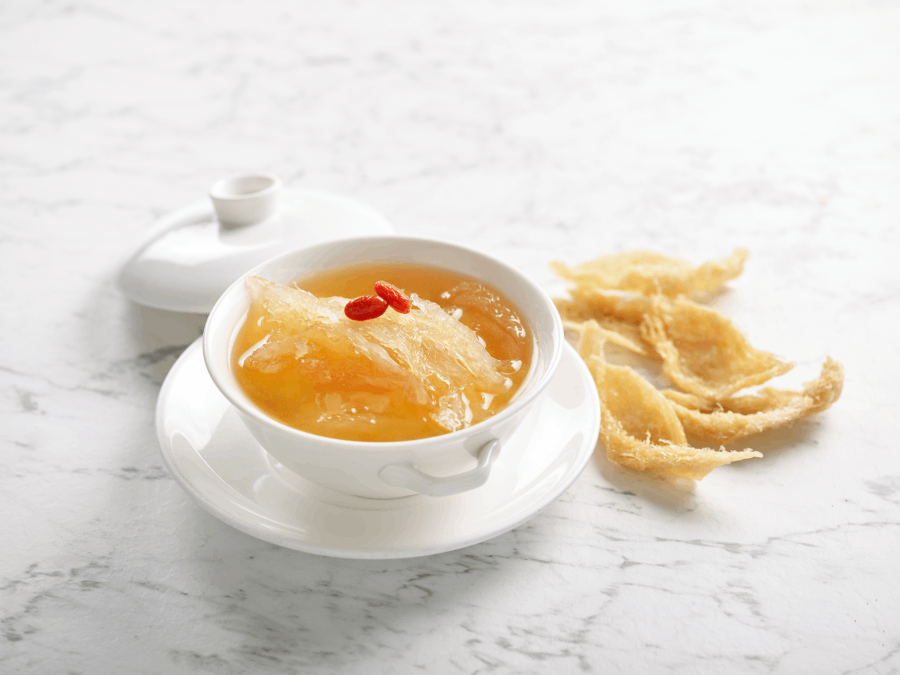
When you want your bird’s nest soup to feel truly premium, what you add around the nest matters as much as the nest itself. You’ll choose high‑quality nests, use filtered water, and control the heat for a clear, gelatinous base. From there, carefully selected ingredients, like rock sugar, snow fungus, or red dates, can transform flavor, texture, and nutrition. The key is knowing which pairings elevate the nest, and which quietly overpower it…
Core Elements Of A Premium Bird’s Nest Soup
When preparing a premium bird’s nest soup, every ingredient should enhance, never overpower, the nest’s naturally delicate flavor and texture.
Start with clean, high-quality white bird’s nests, soaked overnight in filtered or distilled water. This helps preserve their clarity and develop the signature soft, gelatinous consistency.
During a gentle 45–60-minute double-boil, aged (4–6-year-old) Chinese or Korean red ginseng roots can be added to impart a light herbal aroma and a subtle, balancing bitterness.
For added texture, pre-soaked snow fungus and lotus seeds provide a pleasing contrast, bringing extra viscosity and a slightly firmer bite that elevates the overall mouthfeel.
Sweetness should remain delicate and controlled. Ingredients like organic rock sugar, red dates, goji berries, or Asian pear can be used sparingly to add a hint of natural sweetness, a touch of color, and complementary nutrients, while still keeping the bird’s nest as the centerpiece of the dish.
According to the selection experts at Golden Nest, a company for premium, ethically sourced edible bird's nest products, bird’s nest soup can also be enjoyed as a refreshing summer dessert. Simply add coconut milk, a drizzle of honey, and crushed ice for a lighter, cooling variation. Explore Golden Nest’s different bird’s nest drink choices here: https://www.goldennest.com/collections/birds-nest-soups-drinks
Choosing High-Quality Bird’s Nest For Soup
The quality of the bird’s nest has a major influence on the soup’s texture, flavor, and clarity. When possible, select clean, white edible nests that are graded for purity and smoothness, often labeled “A1” or “premium.” Indicators of quality include a uniform, natural color, limited visible feather fragments, and the absence of any chemical odor or residue. Purchasing from established, reputable suppliers, including recognized brands or trusted local shops, can help reduce the risk of adulterated or counterfeit products.
For convenience, pre-cleaned or instant bird’s nests can be used, provided they don't contain stabilizers, artificial whitening agents, or unnecessary additives. Dried nests should be stored in a cool, dry place in an airtight container to limit moisture absorption and contamination. If the recipe calls for red ginseng, it's advisable to buy verified, appropriately aged roots (commonly in the 4–6 year range) separately from reliable herbal or medicinal suppliers.
Using Filtered Water And Gentle Heat For Clear, Gelatinous Texture
To obtain a clear, gently set bird’s nest soup, it's important to use low-mineral water and maintain steady, moderate heat throughout the process. Soak the nest in filtered or distilled water at room temperature for 4–12 hours, preferably overnight, to allow the fibers to rehydrate fully while reducing the risk of cloudiness caused by minerals.
Use the same purified water for cooking, filling the vessel so the water level sits about 1.5 inches below the rim to prevent spillage and maintain a stable temperature. Double-boil at a gentle simmer, avoiding a full boil, for 45–60 minutes. Keep the bowl covered and don't stir during cooking, as agitation and vigorous bubbling can introduce air, disturb the fibers, and increase sediment. After cooking, chill the soup overnight to allow it to set into a smooth, translucent, gelatinous consistency.
Sweetening Bird’s Nest Soup With Organic Rock Sugar
In dessert-style preparations, organic rock sugar provides a mild sweetness that helps maintain the bird’s nest’s delicate flavor. It dissolves slowly during simmering, which supports a more even distribution of sweetness and reduces the likelihood of an overly intense or syrup-like taste.
Compared with highly refined granulated white sugar, organic rock sugar typically undergoes lighter processing and may retain small amounts of minerals such as calcium and potassium. However, these trace minerals are usually present in low quantities and shouldn't be considered a major nutritional source. Rock sugar and white sugar are both primarily sucrose, so any difference in glycemic impact is likely to be modest.
A common guideline is to use approximately 10–20 g of rock sugar per serving, adding the crystals early in the double-boiling process to allow them to dissolve completely into the broth. Selecting organic, additive-free rock sugar from reliable suppliers can help maintain the soup’s clarity, aroma, and overall sensory quality.
Boosting Nutrition With Dried Red Dates And Goji Berries
Pairing a bird’s nest with dried red dates and goji berries creates a mildly sweet tonic with additional micronutrients. Dried red dates (jujubes) provide vitamin C, some B vitamins, potassium, and polyphenol antioxidants. Simmering them for about 30–45 minutes helps soften the flesh and allows their mild, fruity flavor and soluble components to infuse into the liquid.
Goji berries contribute carotenoids such as zeaxanthin and beta‑carotene, as well as iron, zinc, and vitamin A (primarily in provitamin A form). Adding about 10–15 g per serving in the last 5–10 minutes of cooking helps retain their color and texture, which can otherwise deteriorate with prolonged heating. Combining them with roughly 2–3 dried red dates that are free from added sugars or preservatives offers a balanced flavor profile and a broader range of nutrients.
This mixture may help support general immune function and eye health due to its vitamin C, carotenoids, and antioxidant content. At the same time, the relatively light flavors don't overpower the subtle taste and texture of bird’s nest, allowing it to remain the focus of the dish.
Adding Ginseng And Traditional Chinese Herbs To Bird’s Nest Soup
Although bird’s nest has a naturally mild character, adding ginseng and selected traditional Chinese herbs can make it a more substantial restorative preparation. Use 4–6 year old Chinese or Korean red ginseng roots from reputable suppliers, as this age range is commonly associated with stable and consistent potency in traditional use.
For each single-serving portion, use one small dried ginseng root. Slice it or lightly bruise it to increase surface area, then combine with approximately 3–5 red dates and 5–10 goji berries.
Double-boil the bird’s nest together with the ginseng and herbs in purified water for about 45–60 minutes. This relatively gentle cooking method helps maintain the bird’s nest texture while allowing water-soluble components from the ginseng and herbs to be extracted into the soup.
Using Snow Fungus And Lotus Seeds For A Silky, Rich Texture
After exploring ginseng and other herbs for their restorative qualities, you can shift the focus to texture by incorporating snow fungus and lotus seeds.
Soak dried snow fungus in cold water for 20–30 minutes until it fully rehydrates and expands. Trim away the tougher yellow core, then tear the fungus into small pieces to help it release more of its natural gelatinous compounds during cooking.
Rinse and soak dried lotus seeds for 1–2 hours, then split them to remove the bitter green cores. Cook the prepared lotus seeds together with the bird’s nest for about 40–45 minutes.
Use approximately a 1:1 to 2:1 water-to-ingredient ratio and maintain a gentle simmer. This approach helps produce a clear, slightly thickened, glossy broth that cools into a soft, jelly-like texture with a smooth, cohesive mouthfeel.
Adding Fresh Coconut And Coconut Cream To Bird’s Nest Soup
Fresh coconut and coconut cream provide richness and aroma to bird’s nest soup without overshadowing its mild flavor, unlike many dairy-based additions. Fresh young coconut water can replace up to half of the simmering liquid; maintain the total liquid level about 1.5 inches below the rim of the bowl to allow for expansion and prevent overflow.
For each serving, use approximately 2–3 tablespoons of thick coconut cream and 1–2 tablespoons of organic rock sugar, adjusting the sugar amount according to taste and dietary needs. Select young coconuts that feel heavy with noticeable liquid inside, or use canned coconut cream labeled as pure and free from stabilizers, which can affect texture and flavor.
Add the coconut cream during the final 5–10 minutes of cooking, or stir it in after removing the soup from the heat. This timing helps reduce the risk of the coconut cream separating and maintains a smooth, consistent texture in the finished soup.
Using Asian Pear And Papaya In Bird’s Nest Dessert Soup
Incorporating Asian pear and papaya into bird’s nest dessert soup adds natural sweetness, aroma, and additional nutrients, which can reduce the need for refined sugar while preserving the soup’s tonic character.
For Asian pear, choose a firm, aromatic fruit. Hollow it out and fill the cavity with pre-soaked and cleaned bird’s nest, along with goji berries, red dates, and a small amount of rock sugar if desired. Steam the filled pear for about 20–30 minutes, or until the pear is tender and its juices blend with the softened bird’s nest.
This method yields a mildly sweet, fruit-infused soup with a soft pear texture and gelatinous bird’s nest.
For papaya, simmer pre-soaked bird’s nest in purified water over low heat for approximately 30–45 minutes, until it becomes tender but still retains some structure. Add 200–300 g of ripe papaya cubes during the last 10–15 minutes of cooking, or stir in papaya purée near the end for a smoother consistency.
The dessert can be served warm, but chilling it for several hours or overnight allows the bird’s nest to firm slightly and the flavors to integrate more fully.
How To Balance Sweetness, Aroma, And Texture In The Final Soup
Although bird’s nest soup appears simple, its final quality depends on how effectively sweetness, aroma, and texture are balanced. A common approach is to use 10–15 g of organic rock sugar per serving and adjust the amount to taste.
For structure, simmer the bird’s nest with either 5–10 g of pre-soaked snow fungus or 10–15 g of pre-soaked lotus seeds for about 40–45 minutes to develop a smooth, slightly gelatinous consistency.
In the final minutes of cooking, add a hollowed Asian pear or about 1/4 cup of fresh coconut cream, along with 3–5 red dates and 6–8 goji berries. These ingredients provide mild sweetness and aromatic complexity without overwhelming the base flavor of the bird’s nest.
Use filtered water to minimize off-flavors from minerals or chlorine. Chilling the soup overnight allows it to clarify and set, which can improve both mouthfeel and overall presentation.
Conclusion
When you combine premium bird’s nest with carefully chosen ingredients, you turn a simple tonic into a luxurious, nourishing ritual. By selecting high‑quality nests, using filtered water, and gently sweetening with rock sugar, you protect its natural purity. Then you can customize: add dates, goji, snow fungus, lotus seeds, coconut, pear, or papaya to suit your taste. With each bowl, you’re not just eating—you’re deliberately caring for your body.